

Shock wave therapy is a modern, non-surgical method used to treat musculoskeletal pain today. It is increasingly preferred by both patients and professionals for its effectiveness and safety. Common conditions like heel spurs, tennis elbow, shoulder calcification, and herniated discs affect many people. These issues lower quality of life in both young and elderly individuals. They also restrict mobility and cause chronic pain that disrupts daily routines.
Non-surgical methods offering fast and effective results are gaining more attention. Shock wave therapy meets this need with scientifically supported results. It provides a solution especially for chronic muscle and tendon-related problems.
It is easy to apply, with short recovery time and a high level of patient comfort.
In this article, we will cover several important topics in detail. These include what shock wave therapy is, how it works, and what conditions it treats. We will also explore its benefits, user experiences, and potential disadvantages.
Table of Contents
- What Is Shock Wave Therapy?
- How Is the ESWT Method Applied?
- What Conditions Can It Effectively Treat?
- Reviews From Patients Who Underwent Shock Wave Therapy
- Pricing of Shock Wave Therapy
- Advantages and Disadvantages of the Treatment
- Frequently Asked Questions
- Conclusion
What Is Shock Wave Therapy?
Shock wave therapy is a modern and effective method. It uses high-energy sound waves to stimulate tissue repair and healing in targeted body areas. In medical literature, this method is called ESWT (Extracorporeal Shock Wave Therapy).
It is widely preferred for relieving musculoskeletal pain.
In this method, acoustic waves are applied externally to the body. They increase blood circulation in the targeted tissue.
Cell regeneration and metabolic activity are also supported. This process triggers a natural healing response to the root cause of pain.
One of the major advantages of shock wave therapy is that it does not require surgery. Thanks to this, patients can return to their daily routines immediately after treatment. No anesthesia is required during the procedure. This makes the method both practical and safe.
Also, the fact that effective results are seen in a short time increases its popularity. More and more patients prefer this therapy due to its convenience and success rate.
How Is the ESWT Method Applied?
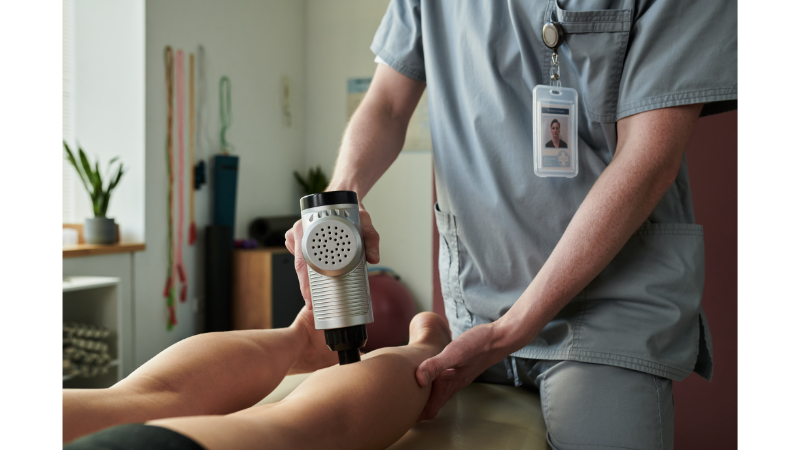
Shock wave therapy, also known as ESWT, is applied using a specially developed medical device. The head of this device transmits high-frequency sound waves directly to the targeted tissue. In this way, biological repair processes are triggered in the affected area.
A typical session lasts between 10 and 20 minutes. Treatment is usually planned once or twice per week. The total number of sessions depends on the patient’s needs. However, it is often completed within 3 to 5 sessions.
During the procedure, patients may feel mild stinging, pressure, or discomfort. These sensations are usually temporary and tolerated by most individuals.
No rest is required after the session. This makes the therapy especially suitable for busy professionals and active athletes. Since it is non-surgical and easy to apply, it offers major advantages. It can be performed quickly without interrupting daily life. For this reason, shock wave therapy stands out as both an effective and practical option.
What Conditions Can It Effectively Treat?
Shock wave therapy is a non-surgical method that delivers effective results for many musculoskeletal disorders. It is especially useful in chronic conditions that do not respond well to traditional treatments. The method is commonly applied in the following situations.
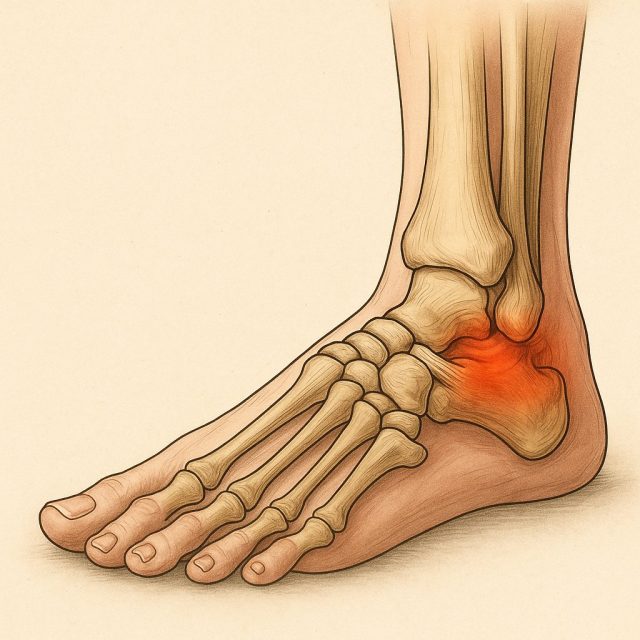
It is successful in treating plantar fasciitis by relieving stabbing pain under the foot. In cases of tennis elbow, it helps reduce outer elbow pain and speeds up tendon recovery. Achilles tendinitis also responds well, as the treatment decreases inflammation and tightness in the tendon.
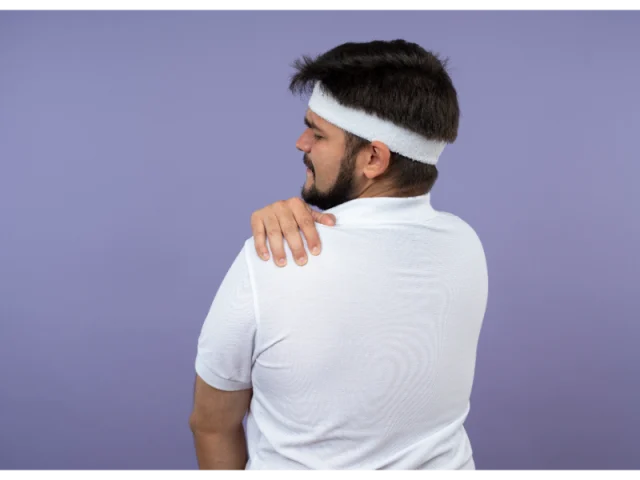
For shoulder calcification, it targets calcium buildup that limits movement and causes pain. In muscle tears and fiber injuries, the therapy supports faster tissue repair and healing. For herniated discs in the lower back or neck, it may reduce muscle spasms and pain.
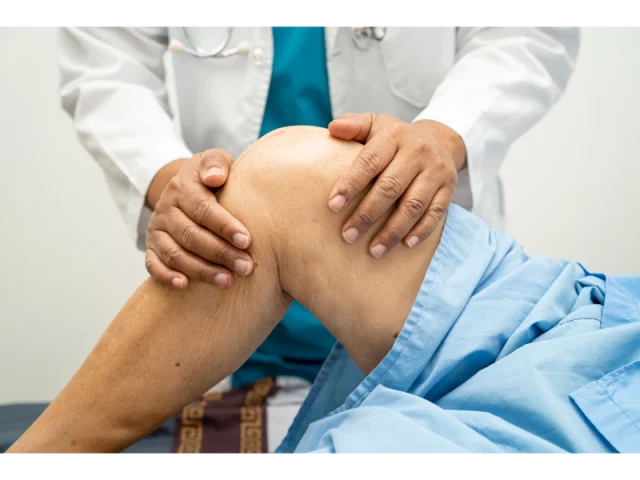
It is also helpful in relieving hip and knee pain caused by joint overload. In sports injuries, it accelerates the healing of muscle and tendon damage, common in athletes.
This therapy does more than just reduce pain. It activates the body’s natural repair mechanisms to support lasting recovery.
Reviews From Patients Who Underwent Shock Wave Therapy
Most patients who receive shock wave therapy report noticeable pain relief after a few sessions. This early improvement is especially important for people with chronic muscle and tendon conditions. Seeing results quickly becomes a major advantage for those suffering from long-term discomfort.
Many individuals satisfied with the treatment say it has improved their quality of life. They find it easier to continue with daily routines and physical activity. Those involved in sports often mention better training performance after the therapy. With pain reduced, they can shorten rest periods between workouts. Athletes also regain their fitness levels more quickly and efficiently.
One patient shared their experience as follows:
“I was struggling to stand due to heel spurs.
Thanks to shock wave therapy, I felt much better after only four sessions.
Now, I no longer consider surgery and can return to my normal life.”
These kinds of testimonials show that shock wave therapy works not only in theory but also in real life. Fast recovery and avoiding surgery are two major reasons why many people prefer this treatment method.

Pricing of Shock Wave Therapy
The cost of shock wave therapy can vary significantly from patient to patient. Several factors influence the pricing, including the area of the body being treated, the duration of treatment, and the total number of sessions. The technological level of the device used also plays an important role. Additionally, the severity and chronic nature of the condition affect the treatment plan.
Because this method is tailored to each individual’s needs, fixed pricing is generally not possible. Usually, a clinical evaluation is performed after the first examination. Based on this assessment, a personalized treatment protocol is developed. This defines both the number of sessions and the scope of the method.
For these reasons, individuals considering shock wave therapy should first consult a qualified medical professional. A detailed evaluation is essential to create an accurate and effective treatment plan. This approach ensures that both the medical and financial aspects of the therapy are clearly understood.
Advantages and Disadvantages of the Treatment
Shock wave therapy is a modern treatment method favored by both patients and healthcare professionals. It offers several key advantages. However, like any medical procedure, it also has some limitations to consider. Below are the main benefits and possible drawbacks of this treatment.
Advantages:
- Shock wave therapy does not involve surgery. Therefore, surgical complications such as infection are avoided.
- The recovery time is short. Most patients return to normal life shortly after the treatment.
- Side effects during and after treatment are usually mild and temporary.
- This enhances the overall safety of the therapy.
- Its effectiveness has been proven by clinical studies.
- It shows high success rates, especially in chronic muscle and tendon conditions.
- Since there is no need for hospitalization, it is ideal for individuals with busy schedules.
Disadvantages:
- Each patient has a unique physiology. Therefore, treatment effectiveness can vary from person to person.
- Some people may experience mild bruising, skin sensitivity, or short-term pain after the procedure.
- These symptoms usually resolve on their own without additional intervention.
- In rare cases, more sessions may be required to achieve the desired results.
- This may demand patience and long-term commitment from the patient.
In conclusion, shock wave therapy offers an effective and comfortable alternative to surgical interventions.
However, as with any medical treatment, consulting a specialist and setting realistic expectations is essential.

Frequently Asked Questions
How soon does shock wave therapy show results?
Most patients notice significant pain relief after the second or third session. However, this may vary depending on personal factors, the condition’s duration, and treatment area.
Can shock wave therapy be used for all types of pain?
No, it is not suitable for every type of pain. Pain caused by infection requires a different approach. Likewise, circulatory disorders or advanced structural issues may need alternative treatments.
Who should not receive shock wave therapy?
It is not recommended for pregnant women, people with bleeding disorders, or active cancer patients. Those with pacemakers should also avoid it. Consultation with a medical professional is essential before beginning treatment.
Is the treatment painful?
Some patients may feel mild discomfort during the session. However, it is usually brief and tolerable.
Is rest needed after the treatment?
No, rest is usually not required. Most people resume work or physical activity the same day.
Are the results of shock wave therapy permanent?
The effects are long-lasting. However, if the underlying cause persists, symptoms may return over time. Lifestyle changes are recommended to maintain results.
How many sessions are necessary?
Typically, 3 to 5 sessions are sufficient. This may vary based on condition severity and patient response.
Are there any side effects?
Some patients may experience mild bruising, swelling, or short-term pain at the treatment site. These effects usually resolve quickly.
Is this treatment covered by insurance?
This therapy is usually performed in private clinics. It is not covered by national insurance (SGK). Coverage may vary depending on the clinic.
How can recovery be supported?
Regular exercise, healthy nutrition, proper hydration, and following medical advice support faster recovery.
Conclusion
In conclusion, shock wave therapy stands out as one of the most effective and safe alternatives to surgery in modern medicine. It is a highly suitable option for individuals who prefer to avoid surgical procedures. It is also favored by people who want treatment without disrupting their daily routines. Especially in musculoskeletal pain, this method has been shown to accelerate the healing process. It also helps reduce pain and improve mobility.
The treatment offers a comfortable experience thanks to its ease of application, fast results, and minimal side effects. Clinical studies support its effectiveness. With proper planning and a personalized approach, its success rate increases even further.
Shock wave therapy draws attention with both its proven results and high patient satisfaction. Having the process supervised by a qualified medical professional directly impacts the outcome of the treatment.
If you would like to learn more about this therapy, we recommend consulting a nearby specialist. A professional assessment is important for developing a treatment plan tailored to your specific needs.
To access more informative content about orthopedic health, feel free to visit our blog page.








 Youtube Videolarım