
Hip replacement surgery is a crucial surgical method that provides a permanent solution for walking difficulties and joint pain commonly seen in advanced age. However, surgical intervention alone is not sufficient for successful outcomes. For elderly patients, recovery can only progress healthily with regular physiotherapy and rehabilitation programs. This article will provide a detailed physiotherapy guide after hip replacement in the elderly, helping both patients and their families manage the process correctly. The treatment approach of Orthopedics Specialist Dr. Özgür Oktay Nar will also be included.

Table of Contents
- The Importance of Physiotherapy After Hip Replacement
- Physiotherapy in the First Days After Surgery
- Basic Exercises and Movement Program
- Nutrition and Daily Life Considerations
- Risks and Precautions in the Elderly
- Psychological Support in Rehabilitation
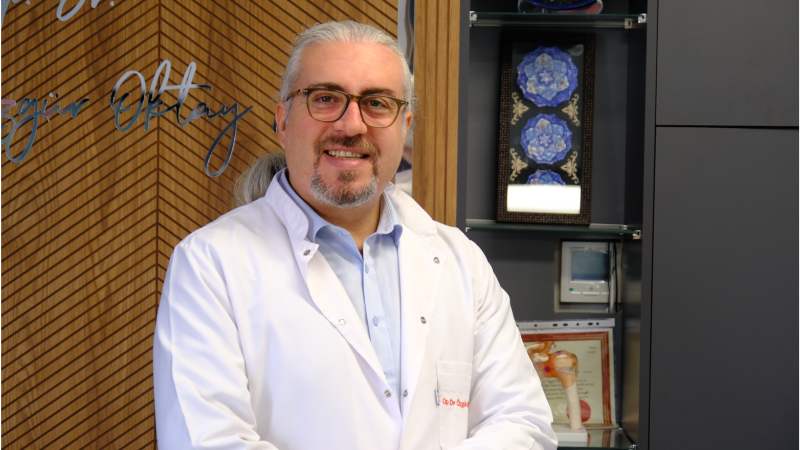
- Dr. Özgür Oktay Nar’s Treatment Approach
- Frequently Asked Questions
- Conclusion
The Importance of Physiotherapy After Hip Replacement
Physiotherapy is the most important step toward regaining independent mobility after surgery. Exercises that strengthen muscles facilitate the adaptation of the prosthesis to the body. Thus, patients can walk without pain, climb stairs, and perform daily activities more comfortably. Since the elderly have weaker muscle strength compared to younger people, the rehabilitation process must be carried out more carefully. Without physiotherapy, the joint may stiffen, pain may increase around the prosthesis, walking may become limited, and the risk of falling may rise. Therefore, the rehabilitation program should not be neglected. Regular therapy also extends the lifespan of the prosthesis, helps patients maintain independence, and significantly improves their quality of life.
Physiotherapy in the First Days After Surgery
The first 24 hours after surgery are very important. In this period, patients do ankle movements, knee bends, and breathing exercises in bed. These activities improve circulation and prevent clot formation. Physiotherapists help the patient sit at the edge of the bed. They also assist the patient to stand with a walker and try short, supervised walks. Many patients feel anxious during their first steps. This anxiety can make them avoid movement. Professional support ensures steady progress and gives strong psychological encouragement. Early mobilization prevents muscle loss and speeds up blood circulation. It also lowers the risk of complications. In elderly patients, early movement prevents lung infections. It also supports bowel function and helps maintain a healthier digestive system.
Basic Exercises and Movement Program
Doctors and physiotherapists plan the exercise program based on the patient’s overall health and age. The main goal of these movements is to strengthen muscles, increase joint mobility, and improve balance.
- Ankle pump exercises: Improve blood circulation and reduce swelling. Recommended 10–15 repetitions daily.
- Knee straightening movements: Strengthen leg muscles. Done while lying in bed with a pillow under the knee.
- Hip muscle tightening: Isometric exercises help regain muscle control and prevent muscle loss.
- Assisted walking: Patients use a walker during the first weeks, then switch to a cane. Physiotherapists teach proper step balance.
- Stair climbing: Performed at later stages to improve balance and endurance. Caution is required with each step.
Patients can perform exercises in the morning and evening. Regular practice accelerates muscle strengthening. Physiotherapists gradually increase the duration of exercises and ensure patients take breaks when fatigued. If pain or swelling occurs, the treatment plan should be reassessed.
Nutrition and Daily Life Considerations
Nutrition plays a critical role in elderly patients’ recovery. Protein-rich foods (fish, eggs, legumes) speed up muscle repair. Calcium and vitamin D strengthen bone health. Additionally, vitamin C-rich foods support tissue healing. Daily fluid intake must also be sufficient.
In daily life, patients should move slowly when sitting and standing, avoid low chairs, and turn to the side for support when getting out of bed. At home, non-slip rugs should be used, and obstacles in walking areas should be removed. Installing grab bars in bathrooms and toilets reduces the risk of falling.

Risks and Precautions in the Elderly
The most common risks after hip replacement surgery are infection, prosthesis dislocation, and blood clots. Patients must follow hygiene rules carefully to minimize these risks. They should regularly check the surgical site and never skip prescribed medication. Family members should ensure that canes or walkers used at home are stable and ergonomic. Elderly patients at high risk of falling must reorganize their living spaces. Furniture should be arranged to facilitate safe movement. Slippery floors should be avoided, grab bars should be installed in bathrooms and toilets, and night lighting should be provided to prevent accidents. Regular medical checkups allow early detection of complications and contribute to the long-term success of the prosthesis.
Psychological Support in Rehabilitation
Alongside physical recovery, psychological support is an essential part of treatment. Elderly patients may lose confidence, feel dependent, or experience depression and anxiety after surgery. Family support and strong social interactions help maintain morale and motivation. Psychologists reduce fear and anxiety through regular counseling sessions, improving patients’ compliance with treatment. Group exercises, social activities, and peer support reduce feelings of loneliness and make the process more enjoyable. This holistic approach ensures both physical and mental well-being, with families and professionals working together to support recovery.
Dr. Özgür Oktay Nar’s Treatment Approach
Dr. Özgür Oktay Nar provides personalized treatment programs for each patient. He adjusts exercise frequency, duration, and difficulty according to the individual needs of elderly patients. This approach ensures both safe and long-lasting recovery. Dr. Nar’s goal is not only physical healing but also psychological well-being, offering patients a healthier and more confident rehabilitation journey.
Frequently Asked Questions
How long is physiotherapy required after hip replacement?
Intensive physiotherapy is usually recommended for 6–12 weeks, but it may extend up to 3 months depending on the patient’s overall health condition.
Is home exercise alone sufficient?
Home exercises are beneficial but must be supervised by a physiotherapist. Incorrect movements can damage the prosthesis.
Is recovery slower in the elderly compared to younger patients?
Yes. Due to weaker muscle tissue, recovery takes longer in elderly patients. However, consistent therapy leads to successful results.
When can daily life return to normal after hip replacement?
Patients usually regain independent mobility within 3–6 months, depending on compliance with therapy and exercise frequency.

Conclusion
The physiotherapy guide after hip replacement in the elderly directly affects surgical success. Regular exercise, proper nutrition, psychological support, and consistent medical follow-ups are the cornerstones of recovery. With Dr. Özgür Oktay Nar’s scientific approach, elderly patients can achieve safe and effective healing. In conclusion, when applied correctly, physiotherapy after hip replacement allows elderly individuals to return to daily life with confidence and improved health.








 Youtube Videos