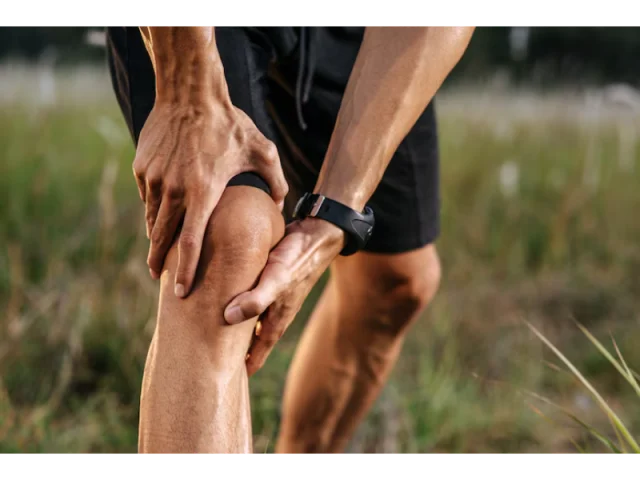

Knee swelling after exercise is a common orthopedic problem faced by both amateur and professional athletes. It can develop due to fluid accumulation in the joint, muscle strain, or ligament injuries. Swelling not only causes pain but also restricts daily activities and may keep individuals away from sports. Therefore, early intervention with the right methods is critically important. In this article, we will address the question: How to reduce knee swelling after exercise at home? from a medical perspective. We will also examine simple but effective home methods, risky situations, and long-term prevention strategies step by step.

Table of Contents
- Causes of Post-Exercise Knee Swelling
- Symptoms of Knee Swelling
- First Aid Methods at Home
- Additional Home Remedies to Reduce Swelling
- When to See a Doctor
- Preventive Strategies Against Knee Swelling
- Expert Opinion by Dr. Özgür Oktay Nar
- Conclusion
- Frequently Asked Questions
Causes of Post-Exercise Knee Swelling
The main causes of knee swelling include trauma, overuse, and intra-articular problems. Sports such as basketball, football, and running place high stress on the knee joint. During these activities, joint fluid increases and tissues swell. Meniscus tears, anterior cruciate ligament injuries, or cartilage damage may also trigger swelling. Incorrect warm-up techniques, insufficient stretching, and excessive load further increase the risk.
Symptoms of Knee Swelling
- Noticeable swelling around the knee
- Pain and limited range of motion
- Difficulty bearing weight
- Increased warmth and tenderness
- Sometimes bruising or a feeling of fluid accumulation
If these symptoms worsen, professional evaluation is necessary. Knee swelling may result from a simple strain but can also signal serious injuries such as ligament tears.
First Aid Methods at Home
Knee swelling is a frequent issue after exercise. Early intervention prevents worsening and accelerates recovery. Home remedies are simple yet effective. Applying them properly and consistently may reduce the need for advanced treatment.
1. Rest
When the knee joint is strained or injured, swelling occurs. The most important step is rest. Avoiding weight-bearing reduces pain and allows tissues to repair. During this period, avoid sudden movements, prolonged standing, and continuing exercise. Supportive aids such as crutches or knee braces can help reduce the load.
2. Ice Therapy
Cold application is one of the most effective methods for pain and swelling. Apply for 15–20 minutes, 3–4 times a day. Do not place ice directly on the skin—wrap it in a thin towel to prevent frostbite. Cold constricts blood vessels, reduces fluid buildup, and relieves pain. It is especially recommended during the first 48 hours.
3. Compression Bandage
Wrapping the knee with an elastic bandage prevents swelling from spreading. Gentle pressure stops fluid from pooling around the joint. However, the bandage must not be too tight, as this could impair circulation. Proper application is essential—consult a healthcare professional if necessary.
4. Elevation
Keeping the knee above heart level helps swelling subside faster. Place pillows under the leg to maintain elevation during rest. Even short sessions of elevation throughout the day support faster recovery.
5. Activity Adjustment
While resting at home, complete immobility is not ideal. Light toe and ankle movements support circulation. However, avoid squatting, climbing stairs, or lifting heavy objects. Controlled activity ensures circulation without stressing the joint.

Additional Home Remedies to Reduce Swelling
Beyond first aid, extra methods can help speed recovery and prevent prolonged swelling.
- Gentle Massage
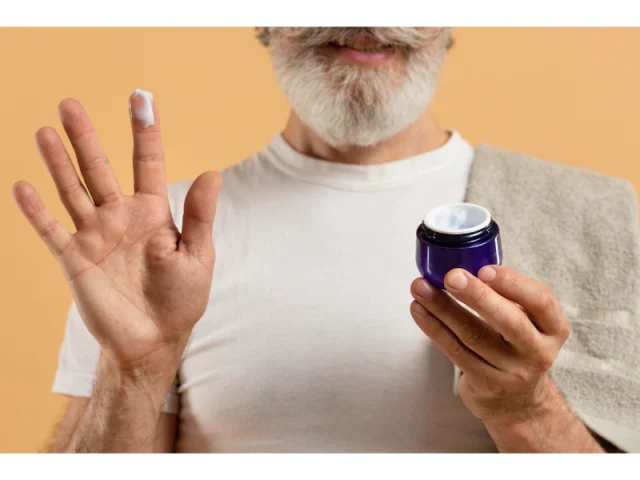
Light circular massage improves circulation and helps reduce swelling. Avoid strong pressure that could damage tissues. Natural oils such as olive oil or menthol-based creams can enhance the effect. - Medication (with Doctor’s Advice)
Anti-inflammatory painkillers can be effective but should only be taken under medical supervision. Misuse may harm the stomach, liver, or kidneys. Patients with chronic conditions must seek professional advice before use. - Stretching and Light Exercises
As swelling subsides, gentle stretches and low-impact walks can preserve flexibility. Avoid high-stress activities. A physiotherapist may design a tailored exercise plan if needed. - Proper Footwear
Wearing the right shoes helps reduce pressure on the knee. Soft, supportive soles are recommended instead of hard or tight footwear. Orthopedic insoles can also provide relief during prolonged standing. - Lifestyle Adjustments
Simple steps such as elevating the leg while sitting, frequent position changes, drinking enough water, reducing salt intake, and eating anti-inflammatory foods (e.g., green vegetables, fish, olive oil) support healing.
When to See a Doctor
Seek medical attention if swelling persists for several days or if any of these symptoms appear:
- Severe pain and inability to bear weight
- Knee locking or sudden giving way
- Swelling with high fever
- Sudden swelling after trauma
These may indicate serious joint injuries. Early diagnosis ensures long-term joint health.
Preventive Strategies Against Knee Swelling
The most effective way to avoid swelling is prevention through healthy habits:
- Warm up and stretch adequately before exercise
- Avoid overtraining or sudden heavy loads
- Choose supportive sports shoes
- Strengthen knee muscles with targeted exercises
- Include anti-inflammatory foods in your diet
Expert Opinion by Dr. Özgür Oktay Nar
Orthopedic and traumatology specialist Dr. Özgür Oktay Nar emphasizes the importance of correct home treatment for knee swelling after exercise. However, if swelling persists or severe pain occurs, professional care is essential. Early intervention protects joint health and prevents complications. Patients should seek reliable answers to the question “How to reduce knee swelling at home after exercise?”—applying home remedies when appropriate and consulting a specialist when necessary.

Conclusion
The answer to How to reduce knee swelling after exercise at home? lies in timely and correct application of simple methods. Rest, ice, compression, and elevation are the primary steps. Supportive practices like massage, proper footwear, and nutrition speed recovery. Most mild cases improve in a few days with home care. However, persistent or worsening symptoms require orthopedic evaluation. Guidance from experienced doctors such as Dr. Özgür Oktay Nar ensures a safe and complete recovery.
In short, simple precautions can reduce swelling at home, but timely medical support guarantees long-term joint health.
Frequently Asked Questions
How many days does knee swelling last after exercise?
Mild swelling usually subsides within a few days. In cases linked to injury, recovery may take longer.
Is heat or cold better for knee swelling?
Cold is more effective during the first 48 hours. Afterward, mild heat may be beneficial.
Can swelling go down without medication?
Yes, with rest, ice, and elevation, swelling often improves without drugs. However, severe cases may require medication.
Does knee swelling prevent exercise?
Yes. Exercise should be avoided until swelling resolves. Continuing activity may worsen the condition.






 Youtube Videos