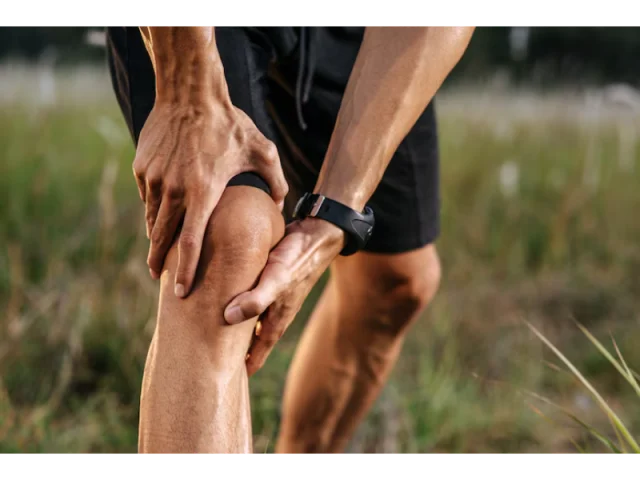

A dislocated kneecap, also known as patellar instability, is a common orthopedic condition. It often affects individuals with active lifestyles. The knee is one of the largest and most complex joints in the human body. It supports body weight during daily actions such as walking, climbing stairs, squatting, and running. Constant use puts significant pressure on the joint and may lead to injuries over time.
A dislocated kneecap occurs when the patella moves out of its normal alignment. It usually shifts outward from the groove of the thigh bone. This condition causes sudden pain, discomfort, and a visible loss of stability. It may also lead to reduced mobility and overall lower quality of life.
The issue commonly affects young individuals and athletes. However, people of all ages can experience it. Sometimes, the kneecap dislocates due to trauma, while in other cases, weak muscles or anatomical irregularities may contribute.
In this article, you will learn what a dislocated kneecap is and how it presents itself. We will cover its symptoms, causes, and modern treatment methods in detail. If your knee feels unstable or shifts suddenly while walking, this guide is here to help.
Table of Contents
- What is a Slipped Kneecap?
- Symptoms of a Slipped Kneecap
- What is Knee Cap Dislocation?
- What Causes a Slipped Kneecap?
- Knee Cap Slip Treatment Methods
- About Patella Dislocation
- How Many Days Does it Take to Heal a Dislocated Kneecap?
- Symptoms of a Dislocated Kneecap
- Frequently Asked Questions (FAQ)
- Conclusion
What is a Slipped Kneecap?
A dislocated kneecap, known in medical terms as patellar instability, is a structural disorder. It occurs when the patella bone, located at the front of the knee, moves out of its ideal position within the knee joint. This condition usually develops due to an imbalance in the patellofemoral joint.
The patella is a bone that should glide smoothly within the groove of the femur, or thigh bone. In certain cases, it shifts outward or moves along an incorrect path. This misalignment results in a dislocation.
The kneecap often becomes dislocated during sudden twisting movements, direct impacts to the knee, or intense physical activities. This leads to more than just pain. It may also cause the knee to lock, limit movement, and create a recurring sensation of the kneecap slipping out of place.
Over time, repeated trauma can make patellar instability a chronic condition. This significantly affects a person’s ability to perform daily activities.
In some individuals, this condition is linked to congenital anatomical predispositions. The risk is higher when the patella sits too high or when the surrounding ligaments are loose. People with weak connective tissue may experience kneecap dislocation more easily and more frequently.

Patients often visit healthcare facilities with complaints such as sudden knee instability, lack of confidence while walking, and difficulty climbing stairs. If the condition is not treated in time, cartilage damage may develop. Advanced functional loss in the knee joint can also occur.
For this reason, a dislocated kneecap should not be seen as a temporary discomfort. It must be approached as a serious orthopedic issue. Proper diagnosis and appropriate treatment are essential to manage the condition effectively.
Symptoms of a Slipped Kneecap
Sensation of slipping during sudden knee movements:
People with a dislocated kneecap often feel the kneecap slip during sudden directional changes. This sensation indicates that the kneecap has moved outward from its normal position. The kneecap may temporarily shift out and then return. The person loses trust in the knee and feels a lack of control.
Clicking or popping sounds during movement:
While walking or squatting, the knee may produce clicking or popping sounds. These sounds occur when the patella fails to move smoothly. If the joint surfaces don’t align properly, these noises become more frequent.
Swelling or tenderness in the knee:
Swelling may develop in the knee after trauma. The area around the joint becomes sensitive to touch. This swelling usually appears shortly after the injury or overuse. It is a common sign of inflammation.
Difficulty while climbing or descending stairs:
A dislocated kneecap can cause difficulty during stair use. Pain often increases while going downstairs. The knee fails to support the body weight properly. As a result, the person may lose balance. This makes everyday movements more challenging.
Sensation of knee giving way during exercise or brisk walking:
While exercising, the knee may suddenly feel like it’s giving way. This feeling happens when the patella shifts out of place. The person briefly loses control while putting weight on the knee. This increases the risk of falling.
What is Knee Cap Dislocation?
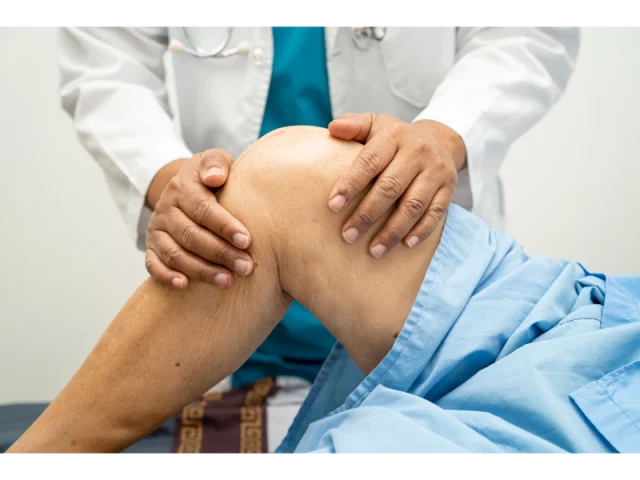
A dislocated kneecap, medically referred to as patellar dislocation, occurs when the patella bone shifts outward from the groove called the femoral trochlea. Normally, the patella moves up and down within this groove located at the front of the thigh bone. However, when stability is lost, the bone slips out and moves beyond the joint.
This condition most often develops after a sudden and forceful trauma. Sports injuries, falls, or direct blows to the knee can trigger patellar dislocation. In cases of a first-time dislocation, conservative non-surgical treatment methods are usually preferred. Rest, ice application, knee braces, and physical therapy are commonly used during this stage.
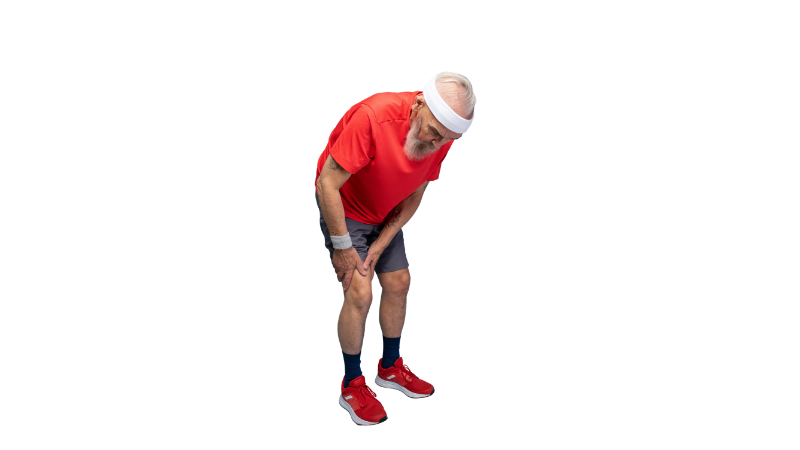
In some individuals, the kneecap may dislocate more than once. When this happens repeatedly, the problem becomes chronic. The knee begins to lose long term stability. Recurrent dislocations may cause cartilage damage and functional loss in the knee. In such cases, surgical intervention may be necessary. Surgeons perform procedures to strengthen the structures that hold the patella in place.
Early diagnosis and proper treatment can help prevent long term complications. Therefore, it is important to consult an orthopedic specialist as soon as symptoms appear.
What Causes a Slipped Kneecap?
Genetic predisposition:
Some individuals are born with genetic traits that make them more prone to kneecap dislocation. A family history of similar complaints increases this risk. Loose connective tissue from birth makes it harder for the patella to stay stable. This condition is more commonly seen in younger individuals.
Muscle weakness or imbalance:
The muscles around the thigh help keep the kneecap in proper alignment. If these muscles are weak, or if one side is significantly stronger than the other, the patella may lose balance. Muscle imbalances are especially common during intense training periods in athletes. This can cause the kneecap to shift outward.
Anatomical abnormalities (wide patellofemoral groove):
Structural features of the knee may also contribute to this issue. If the groove where the patella rests is too wide, the bone can slip more easily. Additionally, if the patella sits higher than normal, instability may develop. These anatomical irregularities are usually congenital and may become noticeable during growth.
Trauma or sports injuries:
A sudden fall, impact, or direct blow to the knee can displace the patella. Contact sports, in particular, make the kneecap more vulnerable to trauma. These types of injuries are among the most common causes of initial dislocation or shifting. If no protective measures are taken during physical activity, the risk increases further.
Knee Cap Slip Treatment Methods
Physical Therapy:
Physical therapy is usually the first step in treating a dislocated kneecap. This method focuses on strengthening the muscles around the thigh and hip. Strong muscles help keep the patella in its proper position. They reduce the risk of future dislocations. Balance exercises are also included in the program. These exercises improve joint stability and help prevent recurring patellar shifts.
Knee Bracing:
A knee brace is an effective support device that helps keep the patella in place. It is especially useful during sports or daily physical activities. The brace physically prevents the kneecap from moving outward. It also reduces pain and allows for safer, more confident movement.
Injection Treatments:
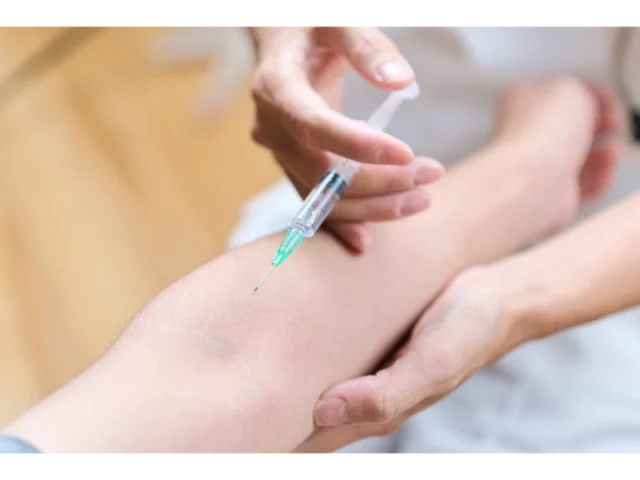
In certain cases, doctors apply injection therapy. This method is typically used to reduce pain and control inflammation. Corticosteroid injections are especially effective during acute flare-ups. However, this approach does not offer a long-term solution. It is mainly used as a supportive treatment method.
Surgical Treatment:
If kneecap dislocation becomes recurrent or conservative methods fail, surgery may become necessary. Surgeons often perform a medial patellofemoral ligament (MPFL) reconstruction. This procedure rebuilds the ligament that holds the patella in place. Post-surgical rehabilitation is critical for recovery. Without physical therapy support, long-term complications may arise.
About Patella Dislocation
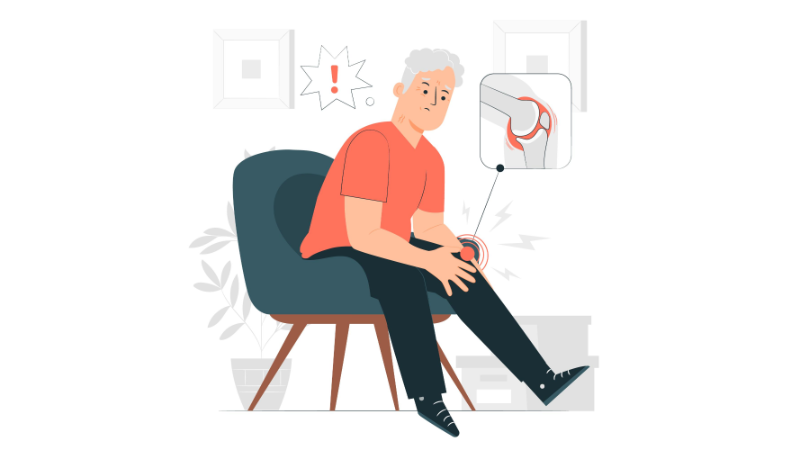
A patellar dislocation occurs when the kneecap shifts outward from its normal position. As a result, it loses alignment with the knee joint. This condition can develop after sudden trauma or due to long term structural problems. Therefore, patellar dislocation may appear as either an acute or a chronic issue.
Acute patellar dislocation usually happens after a sudden movement, twisting, or a direct impact to the knee. These dislocations often occur for the first time. They present with severe pain, swelling, and limited movement. Right after the trauma, the patient often struggles to move the knee. Early intervention is crucial in these cases.
Chronic patellar dislocation involves repeated displacement of the kneecap over time. In this type, the patella gradually loses its stability. The ligaments that keep it in place become loose or weak. The person may feel the kneecap shift even during simple daily activities. In chronic cases, confidence in the knee decreases. Patients may experience a persistent sensation of slipping or instability during movement.

In both situations, accurate diagnosis and timely treatment are very important. Especially in recurrent dislocations, surgical stabilization methods may be recommended. These procedures aim to reconstruct the weakened ligaments. As a result, the patella is stabilized again. The rehabilitation period after surgery plays a critical role in overall recovery success.
How Many Days Does it Take to Heal a Dislocated Kneecap?
The recovery time for a dislocated kneecap varies depending on the treatment method and the general health status of the patient. When non-surgical treatment is applied, that is, when conservative approaches are preferred after the first dislocation, the healing process is usually completed between 4 and 6 weeks.
During this period, the patient is directed to rest. The use of knee braces and pain-reducing applications are recommended. Ice therapy is applied to reduce swelling. Muscles are strengthened with light exercises. In this way, the knee cap becomes stable again.
In cases requiring surgical intervention, the healing process takes longer. Especially after ligament repairs such as MPFL reconstruction, it takes 2 to 3 months for the patient to reach full functional recovery. Knee movements are restricted in the first weeks after surgery. In this process, load should be avoided.
However, the healing process progresses healthier in cases supported by physical therapy. Physical therapy restores muscle strength and increases joint range of motion. Thus, patients can return to their daily activities earlier. The success rate increases in individuals who actively participate in the treatment.
Symptoms of a Dislocated Kneecap
A dislocated kneecap (patellar dislocation) occurs when the kneecap shifts out of its normal position, usually toward the outside of the leg. This often results from sudden movement, trauma, or sports-related injuries. The most common symptoms include:
- Sudden and intense pain in the knee
- A feeling that the kneecap has shifted or moved out of place
- Swelling and bruising around the knee
- Locking of the knee or limited range of motion
- Difficulty bearing weight or a sense of instability
- Persistent tenderness or a feeling of insecurity, even if the kneecap moves back into place on its own
If these symptoms are present, it’s essential to consult an orthopedic specialist for proper diagnosis and treatment.
Frequently Asked Questions (FAQ)
Is a slipped kneecap permanent?
No, with early diagnosis and correct treatment, this condition may not be permanent.
What should I do if my kneecap slips during sports?
You should immediately rest, apply ice and consult a specialized doctor.
Does using a knee brace prevent a slipped kneecap?
Appropriate knee braces can reduce slippage by increasing the stability of the kneecap.
Can I do sports after surgical treatment?
After the physiotherapy process is completed, you can return to sports in a controlled manner.
Conclusion
As a result, a dislocated kneecap, although at first glance it may seem like a mild problem, can actually have serious orthopedic consequences. This condition does not only cause pain. It also limits mobility and reduces quality of life.
Early diagnosis is one of the most critical steps in this process. When symptoms are noticed, an orthopedic specialist should be consulted without wasting time. Delayed interventions cause patella instability to become chronic. This makes surgical intervention mandatory in the advanced period.
A proper treatment plan restores the stability of the kneecap. With physiotherapy support, the muscles become stronger. The joint circumference becomes more durable. Thus, you can move more safely both in daily life and in physical activities.
Individualized approaches should be preferred throughout the treatment process. Because the anatomical structure, lifestyle and needs of each individual are different. When these differences are taken into account, the success of the treatment increases. Physical and functional recovery becomes faster and more permanent.
It should not be forgotten that dislocated kneecap can be completely controlled with timely diagnosis and correct intervention. With the right guidance, disciplined follow-up and professional support, individuals can safely return to their active lives. You can contact us for all your questions about dislocated kneecap and the treatment process.







 Youtube Videolarım