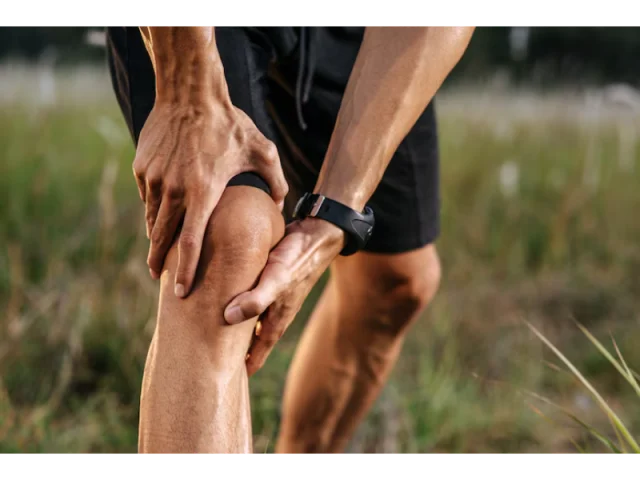
The knee joint is one of the most complex structures in the human musculoskeletal system. It carries much of the body’s weight during both walking and running. Because it bears such a heavy load in daily life, meniscus tears are fairly common. In particular, athletes and individuals with active lifestyles often face this condition as a significant health issue. Additionally, in older age groups, weakening of the cartilage increases the risk of meniscus injury. One of the most common patient questions is: Can a meniscus tear heal without surgery? This article will explore, in light of scientific evidence, the causes and symptoms of meniscus tears as well as the available options for meniscus tear treatment without surgery in detail.

Table of Contents
- What Is a Meniscus Tear?
- What Are the Symptoms of a Meniscus Tear?
- Is Non-Surgical Meniscus Treatment Possible?
- Physical Therapy Methods
- Medication and Injection Treatments
- PRP and Stem Cell Applications
- Lifestyle and Exercise Recommendations
- When Is Surgery Necessary?
- Dr. Özgür Oktay Nar’s Clinical Approach
- Conclusion
- Frequently Asked Questions
What Is a Meniscus Tear?
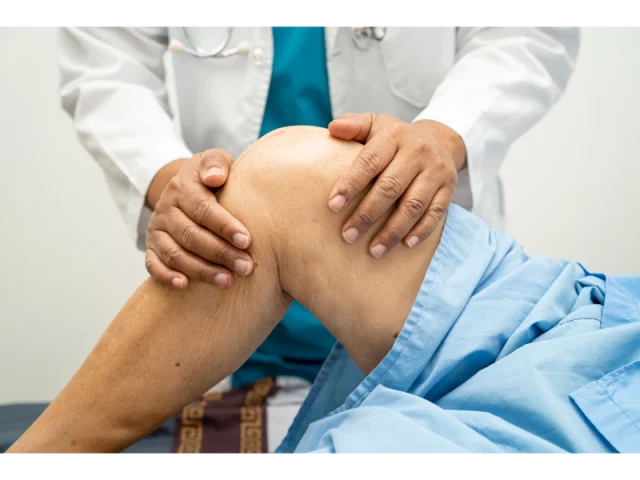
The meniscus is a crescent-shaped cartilage structure located inside the knee joint. It acts as a cushion between joint surfaces. The meniscus balances load distribution in the knee, absorbs shock during steps, and contributes to joint stability. When healthy, it protects mobility and helps preserve joint durability for many years.
However, sudden twisting movements, uncontrolled sports activities, heavy lifting, or age-related cartilage weakening can damage the meniscus. This results in a meniscus tear, which reduces the cartilage’s durability and negatively impacts joint function.
Those most at risk include athletes, heavy laborers, individuals performing repetitive load-bearing activities, and older adults with weakened cartilage. Untreated meniscus tears can cause permanent joint damage, lead to osteoarthritis, and limit mobility. Therefore, early diagnosis and proper treatment are crucial.
What Are the Symptoms of a Meniscus Tear?
Common symptoms include:
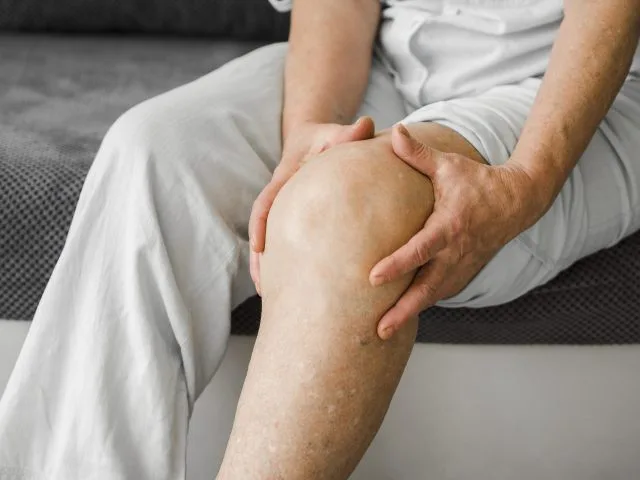
- Sudden pain in the knee joint
- Swelling and restricted movement in the knee
- Catching or giving way while walking
- Clicking sounds in the knee
- Pain when standing up after sitting for a long time
Is Non-Surgical Meniscus Treatment Possible?
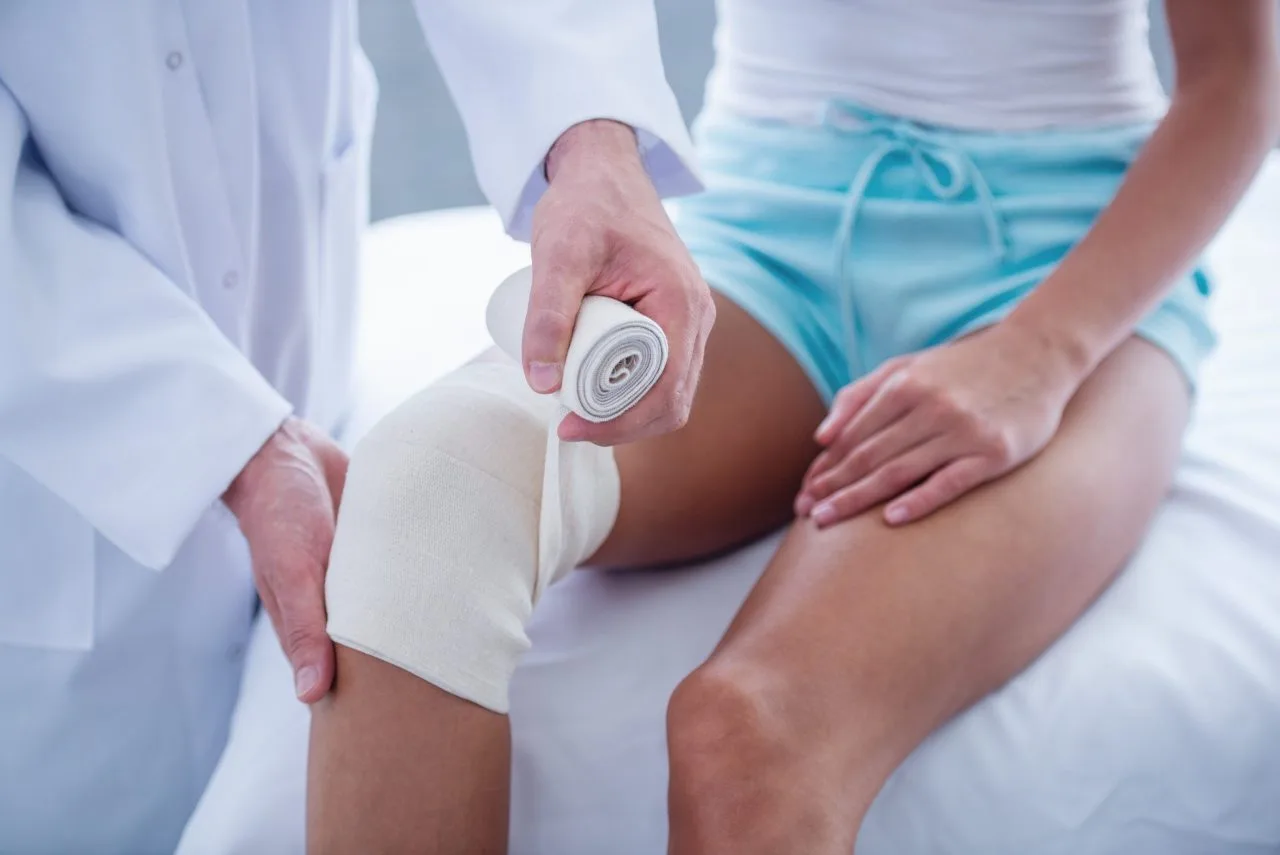
Not all meniscus tears require surgery. Doctors often treat small, stable tears that don’t cause free fragments inside the joint with conservative methods. Early-stage approaches are especially critical. Rest, avoiding excessive joint load, regular icing, compression to reduce swelling, and elevating the leg—the RICE protocol—directly support recovery.
Physical therapy strengthens muscles around the knee and increases stability. Stronger muscles reduce the load on the meniscus and support self-repair. Anti-inflammatory medications reduce pain and control inflammation, while short-term analgesics may also be prescribed.
In recent years, PRP and stem cell applications have gained popularity as they directly stimulate tissue repair mechanisms. With regular treatment, many patients return to daily activities without needing surgery. However, the process must always be guided by a physician, as treatment outcomes vary individually.
Physical Therapy Methods
Physical therapy is one of the most common non-surgical approaches. Key components include:
- Muscle strengthening exercises: Strong quadriceps and hamstrings stabilize the knee.
- Flexibility training: Maintains range of motion.
- Electrical stimulation and ultrasound therapy: Promote tissue healing.
Medication and Injection Treatments
Medication often includes anti-inflammatory and pain-relieving drugs. Intra-articular injections are another important option:
- Cortisone injections: Provide short-term pain relief.
- Hyaluronic acid injections: Improve joint lubrication.
PRP and Stem Cell Applications
PRP (Platelet-Rich Plasma) and stem cell therapy are among the most promising non-surgical treatment methods.
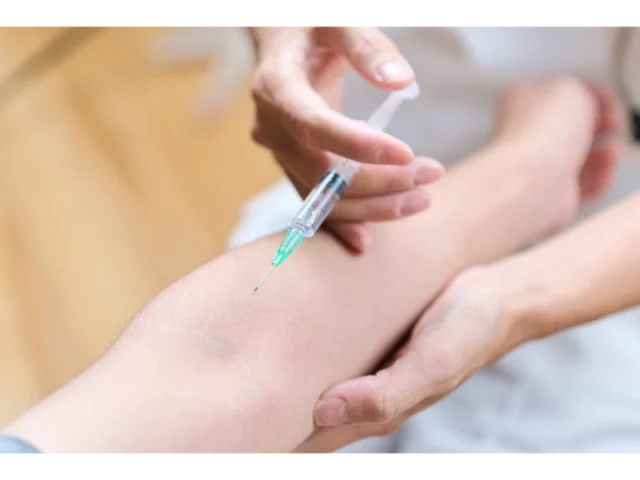
- In PRP therapy, blood is drawn from the patient, processed, and platelet-rich plasma is obtained. Growth factors in PRP stimulate cell regeneration. When injected into the joint, this promotes healing of damaged tissues. PRP is particularly effective in early meniscus tears, reducing pain and improving function.
- Stem cell therapy goes further, using cells taken from the patient’s own tissues. With their high regenerative potential, stem cells encourage meniscus tissue reconstruction. This helps slow progression of the tear and prevent degenerative changes.
Both methods are minimally invasive, allowing patients to return to daily life more quickly. Success depends on the tear’s size, location, and the patient’s overall health. For this reason, only an orthopedic specialist should determine suitability.
Lifestyle and Exercise Recommendations
Treatment success also relies on lifestyle changes. Maintaining a healthy weight reduces pressure on the knees. Low-impact sports like swimming and cycling are recommended. Regular exercise strengthens muscles, enhancing knee stability.
When Is Surgery Necessary?
Surgery becomes mandatory if:
- The tear is large and restricts joint movement
- The knee locks or frequently catches
- Pain persists despite conservative treatment
Dr. Özgür Oktay Nar’s Clinical Approach
Dr. Özgür Oktay Nar applies a personalized treatment plan. Factors such as patient age, lifestyle, type, and severity of the tear are considered. Whenever possible, unnecessary surgeries are avoided, and non-surgical methods are prioritized. However, when surgery is necessary, the most advanced techniques are applied.

Conclusion
With accurate diagnosis and proper treatment, most meniscus tears can be effectively managed. Non-surgical treatments provide positive outcomes in many patients. Yet, in some cases, surgery remains unavoidable.
The answer to Can a meniscus tear heal without surgery? depends on the individual case. Orthopedic specialist Dr. Özgür Oktay Nar carefully evaluates each patient to determine the most appropriate treatment. This approach improves quality of life and ensures long-term knee health.
Visit our blog page to read other articles.
Frequently Asked Questions
Can a meniscus tear heal on its own?
Small and stable tears may sometimes heal with conservative treatment.
Is PRP effective for meniscus tears?
Yes. PRP accelerates tissue repair and provides relief in many patients.
How long is recovery after meniscus surgery?
Most patients return to daily activities within 4–6 weeks after surgery.










 Youtube Videos