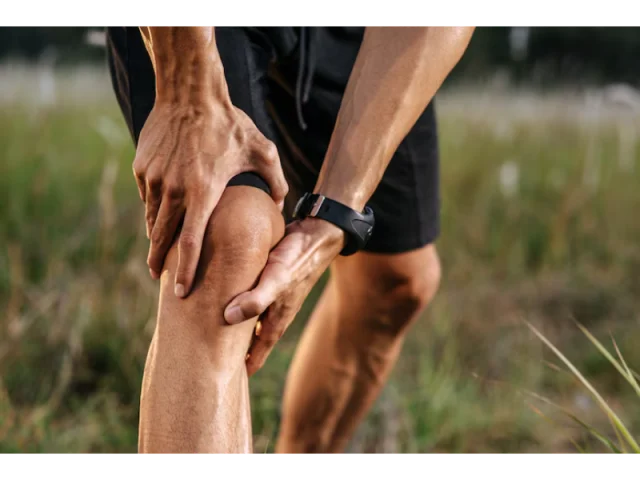

Meniscus tear symptoms and treatment are among the most frequently asked topics concerning knee health. A meniscus tear is one of the most common injuries occurring in the knee joint. The knee joint bears the body’s weight, ensures continuity of movement, and is one of the most strained joints in daily life activities. Menisci are located inside the knee joint and serve as C-shaped cartilage structures. These structures regulate load distribution between joint surfaces, reduce friction, and absorb shocks. Healthy menisci allow individuals to move safely both during sports and in everyday life. However, sudden twisting movements, heavy lifting, uneven stepping, sports injuries, or aging may tear the menisci. If left untreated, these tears cause osteoarthritis, restricted mobility, and permanent damage in the knee. Therefore, recognizing meniscus tears at an early stage and intervening with appropriate treatment methods is of critical importance.

Table of Contents
- What is the Meniscus?
- What Causes a Meniscus Tear?
- Symptoms of a Meniscus Tear
- Diagnostic Methods for Meniscus Tear
- Treatment Methods for Meniscus Tear
- Recovery Process in Meniscus Tear
- Points to Consider in Sports and Daily Life
- Meniscus Tear Exercises
- Complications and Risks
- Ways to Prevent Meniscus Tears
- Frequently Asked Questions
- Conclusion
What is the Meniscus?
The most common causes of meniscus tears are twisting, sports injuries, heavy lifting, and aging.Contact sports like football,basketball, and volleyball put strong stress on the knee.This stress strains the menisci and often causes tears.
In young athletes, tears usually result from trauma.In older people, meniscus tissue loses elasticity and cartilage weakens.
Even small traumas can then cause damage.
Excess weight adds pressure on the joint and increases vulnerability.
Jobs requiring squatting, heavy loads, or stair climbing raise the risk further.
For these reasons, meniscus tear symptoms and treatment matter for both youth and elderly.
What Causes a Meniscus Tear?
The main causes of meniscus tears are sudden twisting, sports injuries, heavy lifting, and aging.
Contact sports such as football, basketball, and volleyball increase stress on the knee.
This stress can strain the menisci and lead to tearing.
In young athletes, tears are usually trauma-related.
In older people, meniscus tissue loses elasticity and cartilage weakens.
Even minor traumas can then cause tears.
Excess weight increases the load on the joint and raises the risk of damage.
Jobs requiring squatting, lifting, or stair climbing also increase the risk.
As a result, meniscus tears occur in both active youth and sedentary elderly people.
Symptoms of a Meniscus Tear
Meniscus tear symptoms usually begin with sudden pain. The patient feels a tearing sensation in the knee and may even hear the sound of the tear. In addition to sudden pain, limited movement and knee locking are prominent. The patient struggles to fully bend and extend the knee. Swelling and edema appear within a few hours and restrict daily movements. Moreover, while walking or climbing stairs, the patient may feel the knee giving way or slipping. Symptoms of meniscus tear appear at varying severity in each patient and usually negatively affect daily life. If left untreated, osteoarthritis develops, joint damage occurs, and chronic pain arises. Particularly in athletes, meniscus tears cause loss of performance, while in older individuals, they significantly reduce mobility.
Diagnostic Methods for Meniscus Tear
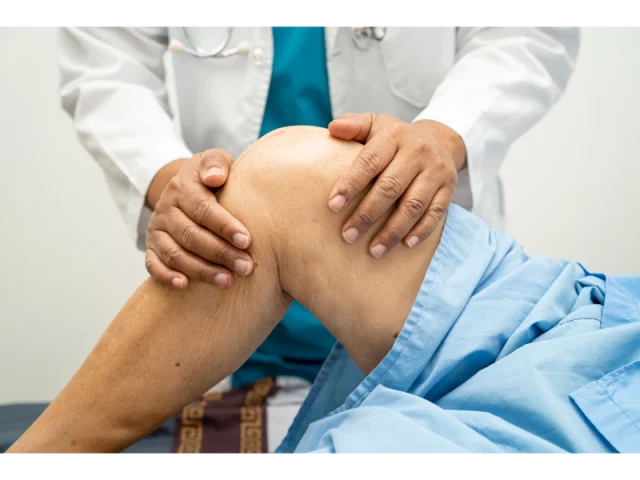
The first step in diagnosis is carefully listening to the patient’s complaints. The physician takes a detailed history, asks when the pain started, in which movements it worsens, and whether locking occurs. Then, a physical examination is performed. Special tests such as McMurray and Apley help reveal meniscus tears. For definite diagnosis, imaging methods are used. Magnetic resonance imaging (MRI) is the most reliable method, as it provides detailed images of the meniscus tissue. MRI clarifies the location, size, and shape of the tear. X-rays are used to evaluate bone structures but are insufficient for diagnosing meniscus tears alone. In some cases, the physician applies arthroscopy. In this method, the physician enters the knee joint with a small camera and directly visualizes the meniscus. During the same procedure, treatment can also be applied if necessary.
Treatment Methods for Meniscus Tear
The physician determines the treatment plan according to the size and location of the tear, as well as the patient’s age and activity level. In small and stable tears, conservative methods may be sufficient. Rest, ice application, bandaging, and painkillers help control symptoms. Physical therapy programs strengthen the muscles around the knee and reduce the load on the joint. Larger or non-healing tears require surgical treatment. The physician repairs the meniscus tears through arthroscopic methods or removes the damaged part when necessary. Postoperative rehabilitation is of great importance for treatment success. Dr. Özgür Oktay Nar aims to protect long-term joint health by creating personalized treatment plans for each patient.

Recovery Process in Meniscus Tear
The recovery process varies depending on the treatment method chosen. In patients receiving conservative treatment, improvement is usually achieved within 6–8 weeks. In patients undergoing surgery, recovery takes about 3–6 months. Regular physical therapy, strengthening exercises, and lifestyle changes during this period accelerate healing. Athletes return to sports gradually under medical supervision. In daily life, even during simple activities, being careful contributes to the protection of knee health.
Points to Consider in Sports and Daily Life
Returning to sports after a meniscus tear is a sensitive matter. Sports should not be resumed without the physician’s approval. Especially returning too early to sports such as football or basketball that require sudden directional changes may lead to recurrence of the tear. In daily life, care must be taken while climbing stairs, sitting, standing up, or carrying heavy loads. Additionally, choosing appropriate footwear and avoiding excess weight are important for knee health.
Meniscus Tear Exercises
Exercises play an important role in the treatment of meniscus tears. Exercises that strengthen the quadriceps and hamstring muscles provide support to the knee joint. Stretching movements increase joint flexibility. Low-intensity walking and cycling maintain mobility without straining the joint. Balance exercises improve joint stability. Regularly performing these exercises increases treatment success and shortens recovery time.
Complications and Risks
Untreated meniscus tears may cause permanent damage in the joint. Osteoarthritis, limited movement, and chronic pain are the most common complications. Moreover, knee instability may develop, significantly affecting daily life. For this reason, meniscus tears should not be ignored and should be treated at an early stage.

Ways to Prevent Meniscus Tears
Although it is not possible to completely prevent meniscus tears, certain measures can reduce the risk. Regular exercise strengthens muscles and protects joint health. Appropriate footwear should be chosen during sports, and warm-up exercises must always be performed. Avoiding excess weight reduces stress on the knees. Additionally, sudden and uncontrolled movements in daily life should be avoided.
Frequently Asked Questions
Does a meniscus tear heal on its own?
Small tears may heal with conservative treatment, while larger tears require surgery.
Is non-surgical treatment possible?
Yes, in some patients improvement can be achieved with rest and exercise.
How long is the recovery period after surgery?
On average, it ranges between 3–6 months.
Does a meniscus tear recur?
If appropriate treatment is not provided, there is a risk of recurrence.
When can sports be resumed?
Usually after 4–6 months, with the doctor’s approval.
Conclusion
Meniscus tear symptoms and treatment directly affect patients’ quality of life. With early diagnosis, a personalized treatment plan, and regular rehabilitation, knee health can be protected in the long term. Dr. Özgür Oktay Nar offers the most suitable treatment options for each patient with his experience. For more information, you can also review our other articles.







 Youtube Videolarım