

Walking after an ankle fracture is a crucial recovery process that directly affects patients’ daily quality of life. An ankle fracture can significantly limit both mobility and balance abilities. The ankle is a complex structure responsible for bearing body weight, maintaining balance, and coordinating movement. Therefore, any fracture in this area does not only cause severe pain. It also restricts the patient’s work life, social activities, and independent mobility. Starting to walk again safely after cast treatment or surgical intervention requires careful planning. It also requires professional supervision. Every correct intervention during the treatment process determines the patient’s long-term mobility and quality of life. Managing the walking process after an ankle fracture in a conscious and well-planned way is essential. This helps to prevent permanent problems.
Proper physical therapy programs, personalized exercise plans, and regular check-ups play a critical role in ensuring healthy recovery. Having enough knowledge about the walking process after an ankle fracture helps both patients and their relatives prepare for this journey. Managing the process consciously reduces both the physical and psychological burden during recovery. In this article, we will cover the entire recovery process after an ankle fracture in detail. This way, you can prepare for each stage in advance. You can approach the recovery process in a more controlled and safe manner.
Table of Contents
- What Is an Ankle Fracture?
- Recovery Process After an Ankle Fracture
- Walking After an Ankle Fracture Treated With a Cast
- Walking After an Ankle Fracture Surgery
- Physical Therapy and Exercises After an Ankle Fracture
- Possible Complications After an Ankle Fracture
- Frequently Asked Questions
- Conclusion
What Is an Ankle Fracture?
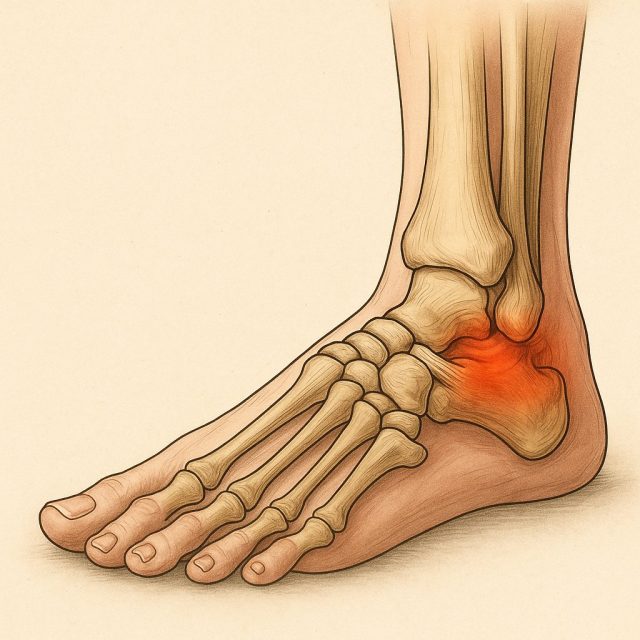
An ankle fracture occurs when the bones forming the ankle either crack or break completely. It usually results from sudden trauma. Falls, sprains, sports injuries, jumping from heights, or traffic accidents are among the most common causes. A fracture does not only disrupt the integrity of the bone. It can also affect surrounding muscles, ligaments, tendons, and blood vessels. As a result, serious disruptions in walking ability, loss of balance, and intense pain may occur. Daily mobility becomes significantly restricted.
The ankle is made up of three main bones: the tibia (shinbone), fibula (calf bone), and talus (ankle bone). These bones work together to provide stability and movement for the ankle. Fractures in this area are typically classified based on the type, location, and severity of the break. For example, there is a significant difference between a simple crack in one bone and a comminuted fracture involving multiple bones. Each fracture type requires different healing times, treatment protocols, and rehabilitation programs. Additionally, whether the fracture involves the joint surface can directly affect long-term outcomes. Therefore, accurate diagnosis and appropriate treatment planning are critical factors in ensuring full recovery.

Recovery Process After an Ankle Fracture
The recovery process after an ankle fracture varies from person to person due to several factors. The patient’s age, general health condition, bone density, and the location of the fracture directly affect the healing process. Additionally, the type and severity of the fracture play a critical role in determining the treatment method. In some cases, only casting and rest are sufficient. In more serious fractures, surgical intervention becomes unavoidable.
Before planning treatment, advanced imaging techniques like X-ray, computed tomography (CT), or magnetic resonance imaging (MRI) are used. These images allow for a clear evaluation of the fracture’s location, whether it is fragmented, and the condition of the surrounding soft tissues. Physicians analyze this data to create the most suitable treatment protocol for each patient. In the initial stage, severe swelling, bruising, and intense pain are usually present. These symptoms occur as part of the body’s natural inflammatory response. The primary goal in the first intervention is to stabilize the fracture, control the swelling, and relieve the pain. This allows the healing process to begin in a healthier and more controlled manner.
Walking After an Ankle Fracture Treated With a Cast
Casting is generally preferred in mild and stable ankle fractures where the bones have not shifted. The purpose of this treatment is to ensure that the broken bones heal properly and to support the recovery process. With casting, the ankle is completely immobilized. This keeps the bone fragments in the correct position and allows the healing process to progress safely. The cast typically remains on the leg for 4 to 8 weeks. This duration can vary depending on the fracture’s condition, the patient’s age, and the bone’s healing speed. During the casting period, the patient must avoid putting weight on the foot. The patient must also fully comply with the movement restrictions recommended by the doctor.
Once the cast is removed, a new phase of recovery begins. Because muscles weaken, joints stiffen, and balance reflexes deteriorate after prolonged immobility. The first steps are usually taken in a controlled environment under the supervision of physical therapy specialists. During this stage, patients are advised to take careful steps. They should avoid sudden movements. Walking aids, such as canes or walkers, should be used when necessary. Physical therapy programs include specific exercises to restore muscle strength and increase flexibility. Balance and coordination exercises are also used to gradually improve walking ability. Over time, patients can safely return to their normal walking rhythm and daily activities.

Walking After an Ankle Fracture Surgery
In severe and complex ankle fractures, surgical intervention may become unavoidable. Surgery is especially preferred when bone fragments are displaced. It is also used when comminuted fractures occur or soft tissues are damaged. During surgery, various orthopedic materials are used. These include plates, screws, nails, or wires to properly align the broken bones.
The recovery process after surgery is managed gradually and with careful planning. For the first few weeks, patients are strictly advised not to put any weight on the affected foot. During this period, rest, non-weight-bearing positioning, and elevating the leg are important for reducing swelling. In addition, regular check-ups are conducted for pain management, wound care, and infection prevention. Early weight-bearing can cause displacement of implants or loosening of screws. This may disrupt the healing process.
Typically, light weight-bearing and walking exercises are initiated after the sixth week with the doctor’s approval. These exercises are performed under controlled conditions and with the supervision of physical therapy specialists. Special programs are applied to increase muscle strength, improve joint range of motion, and restore balance. Full weight-bearing is generally allowed between the 10th and 12th weeks for most patients. However, this period may vary depending on the individual healing rate. It also depends on bone union progress and overall health condition. Collaboration between the doctor and physical therapist is extremely important throughout these stages. Any improper loading can delay healing or lead to new complications.
Physical Therapy and Exercises After an Ankle Fracture
Physical therapy is one of the most critical stages of the recovery process. It is indispensable after an ankle fracture. Because during long periods of immobility, muscles weaken. Connective tissues lose flexibility. Joints become stiff. Additionally, balance and coordination reflexes deteriorate over time. Therefore, a professional physical therapy process is essential to achieve full and lasting recovery. The physical therapy program is tailored to the patient’s needs. It is also adjusted based on the specifics of the fracture. Throughout the treatment process, both mobility and muscle strength are gradually improved.
The physical therapy program includes various exercises and applications. Balance exercises help the patient regain control over the ankle. As a result, the risk of falling is reduced, and the balance system is strengthened. Strengthening exercises target muscle groups around the lower leg and ankle. This helps restore the muscle power required for walking. Stretching and mobilization exercises increase joint range of motion. They improve the flexibility of stiffened joints. Thus, the natural movement capacity of the joint is regained.
Cold and hot applications are also frequently used during treatment to reduce pain and swelling. Gait training helps patients learn proper foot placement techniques and improve walking quality. During this training, the physical therapist corrects any mistakes the patient makes while walking and prevents excessive strain. The difficulty level of the exercises is continuously adjusted based on the patient’s progress. Physical therapists make these adjustments through regular assessments. In this way, walking capacity is increased both safely and in a controlled manner. As a result, physical therapy serves as a fundamental support. It allows the patient to return fully to daily life.

Possible Complications After an Ankle Fracture
Some complications may occur after ankle fractures. For this reason, doctor control should not be neglected.
- Joint stiffness
- Muscle weakness
- Loss of balance
- Osteoarthritis (joint degeneration)
- Infection (post-surgical)
- Blood clot formation (deep vein thrombosis)
Frequently Asked Questions
How long does it take to walk after an ankle fracture?
The healing time depends on the severity of the fracture. It can take between 6 weeks and 6 months. Regular medical check-ups are important.
Can I walk immediately after the cast is removed?
No. Muscle weakness and joint stiffness occur. Walking should begin under the supervision of a physical therapist.
How long does the pain last after surgery?
There is pain during the first weeks. As healing progresses, the pain gradually decreases.
When can full weight-bearing walking start?
On average, full weight-bearing walking is possible between 10 to 12 weeks. However, individual variations may occur.
Is physical therapy necessary after an ankle fracture?
Yes. Physical therapy is a fundamental process for returning to normal walking.
Conclusion
The walking process after an ankle fracture requires patience. With regular follow-up and proper treatment protocols, the process can be successfully completed. Both follow-up visits after casting or surgery and the physical therapy programs applied during recovery form the foundation of healing. During the recovery period, muscle weakness, joint stiffness, and balance disorders may occur. These issues are managed in a controlled manner with professional support. As a result, patients can safely return to their daily activities.
Each patient’s recovery process varies depending on the type of fracture, age, general health condition, and response to treatment. Therefore, treatment planning is customized for each individual, and each stage is closely monitored. Balance training and strengthening exercises are applied during physical therapy. Flexibility-enhancing movements gradually increase walking capacity. Early intervention is crucial during the treatment process. With proper exercise programs, long-term permanent movement restrictions can be prevented.
Every correct step taken during the walking process after an ankle fracture directly affects both short-term and long-term quality of life. Regular doctor check-ups, exercises performed under the supervision of a physical therapist, and the patient’s active participation in treatment are key factors in successful recovery. As a result, with a well-planned and disciplined recovery process, it is possible to regain healthy, safe, and pain-free walking.
Visit our blog to read more articles.










 Youtube Videolarım