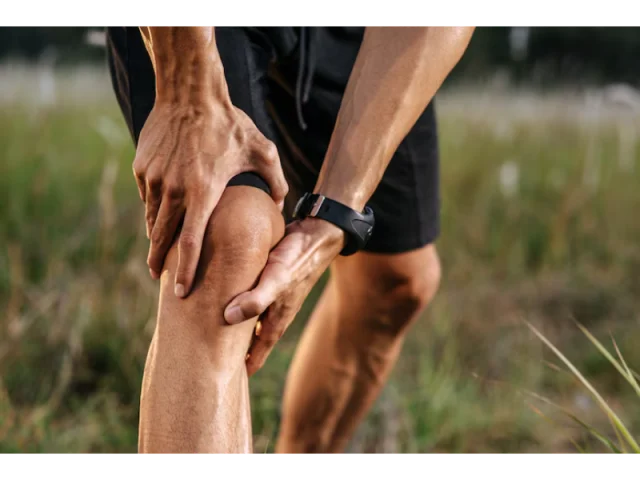

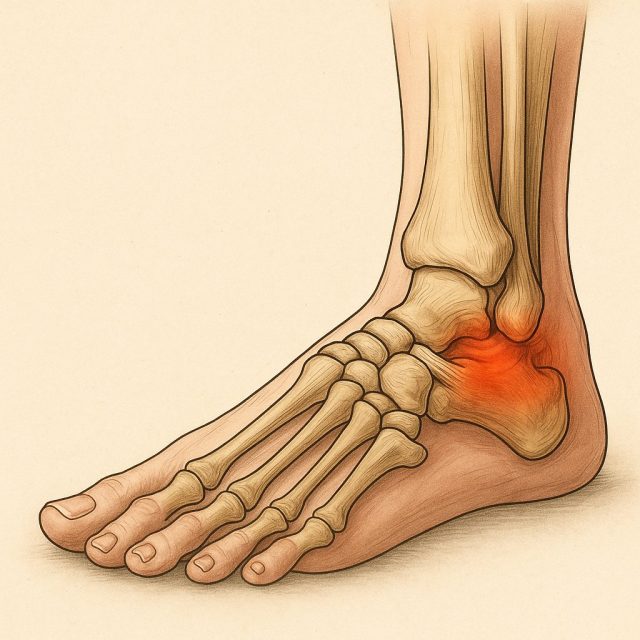
A heel spur is a common but uncomfortable foot problem that causes intense pain, especially when taking the first step in the morning. The medical name for this condition is “plantar fasciitis” and it is characterized by the formation of a bony protrusion under the heel bone. The heel spur is caused by inflammation of the band of tissue called the plantar fascia on the sole of the foot.
Contents:
- What is a Heel Spur?
- Causes of Heel Spurs
- Symptoms of Heel Spurs
- Risk Factors for Heel Spurs
- Diagnosis of Heel Spur
- Heel Spur Treatment Methods
- Heel Spurs and Lifestyle Changes
- Conclusion
What is a Heel Spur?
A heel spur is the formation of a bony protrusion under the bone as a result of inflammation of the tissue band called the plantar fascia on the sole of the foot. It usually manifests itself with severe pain in the first step when getting out of bed in the morning or after sitting for a long time. Overuse, incorrect shoe selection, overweight and deformities in the foot structure are among the main causes of heel spurs. Non-surgical methods such as rest, ice application, correct shoe selection and stretching exercises are used in the treatment of heel spurs. With early diagnosis and appropriate treatment, the pain can be alleviated to a great extent.
Causes of Heel Spurs
Heel spurs are caused by inflammation of the band of tissue called the plantar fascia on the sole of the foot and the formation of a bony protrusion in this area. One of the main causes of this condition is overuse or strain of the plantar fascia. Prolonged standing, running or intense physical activity can cause the plantar fascia to stretch and become inflamed, leading to small tears. Choosing the wrong shoes, especially unsupported and uncomfortable shoes, can contribute to plantar fascia strain. Excess weight puts extra load on the sole of the foot, causing excessive stretching of the plantar fascia. Deformities in the structure of the foot, such as flat feet or high arches, increase the risk by causing the plantar fascia to stretch more than normal. Aging can also contribute to heel spurs; with age, the elasticity of the plantar fascia decreases and the risk of injury increases. In addition, prolonged standing or walking on hard surfaces due to certain occupations or activities can also contribute to heel spurs. The combination of these factors leads to inflammation of the plantar fascia and the formation of heel spurs.
Symptoms of Heel Spurs
Heel spurs are usually characterized by intense pain in the morning after getting out of bed or when taking the first step after sitting for a long time. This pain can be relieved by activities during the day, but can intensify again after prolonged standing or intense physical activity. People with heel spurs may experience burning, stinging or throbbing sensations. Symptoms are usually as follows:
- Morning Pain: There is intense pain in the heel when the first step is taken in the morning.
- Tenderness Under the Heel: There is tenderness and pain when touched under the heel bone.
- Pain that changes during the day: The pain may ease throughout the day, but may intensify again after prolonged standing or walking.
- Burning and Stinging Sensation: There may be a burning and stinging sensation in the heel area.

Risk of Heel Spurs Factors
Heel spurs, specific It is more common in people with risk factors. The elasticity of the plantar fascia decreases with age, so the risk increases in middle-aged individuals. Physical activity level is an important factor; runners, people who work standing are more prone to this condition. Obesity puts extra strain on the soles of the feet and causes strain on the plantar fascia. Choosing the wrong footwear, especially wearing unsupported and uncomfortable shoes, increases the risk of developing heel spurs. In addition, deformities in the foot structure, flat feet or high-arched feet lead to stretching of the plantar fascia. The combination of these factors sets the stage for inflammation of the plantar fascia and the formation of heel spurs.
Diagnosis of Heel Spur
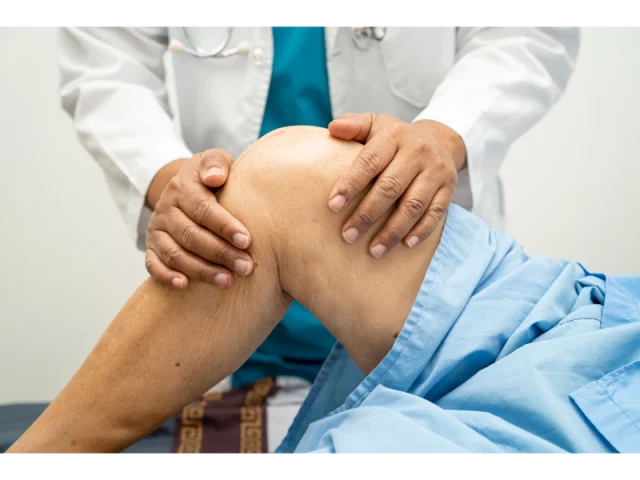
The diagnosis of heel spurs is usually based on a physical examination and patient history. The doctor assesses tenderness and pain in the heel area. Sometimes, imaging modalities such as X-rays or MRI can be used to confirm or rule out heel spurs. X-rays show the bony protrusion of the heel bone, while MRI can detect inflammation and tears of the plantar fascia.
Heel Spur Treatment Methods
Treatment for heel spurs usually starts with non-surgical methods and most people recover with these methods. Treatment options include:
- Rest and Activity Restriction: Resting the foot and avoiding activities that trigger pain can help reduce inflammation.
- Ice Application: Applying ice to the heel area can reduce pain and inflammation. Ice can be applied several times a day for 15-20 minutes.
- Shoe Change: Wearing supportive and comfortable shoes can reduce the strain on the plantar fascia. Orthopedic insoles can also be useful.
- Painkillers: Non-steroidal anti-inflammatory drugs (NSAIDs) such as ibuprofen or naproxen can reduce pain and inflammation.
- Stretching Exercises: Exercises to stretch the plantar fascia and Achilles tendon can relieve pain and improve flexibility.
- Night Splints: Splints that keep the foot in a flexed position during the night can reduce morning pain.
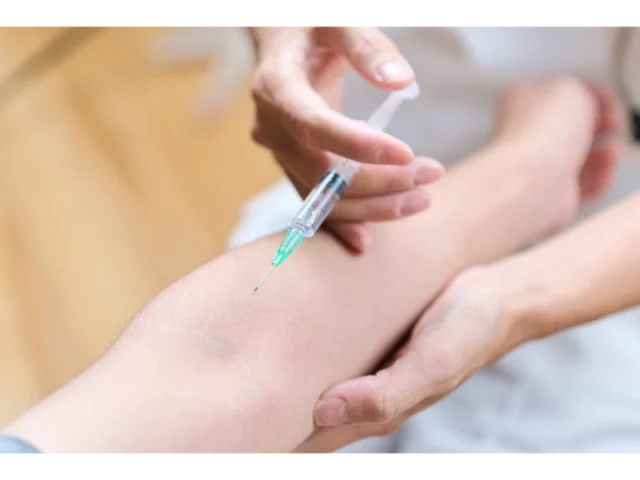
- Corticosteroid Injections: In cases of severe pain, the doctor may recommend corticosteroid injections. These injections can quickly reduce inflammation and pain.
- Extracorporeal Shock Wave Therapy (ESWT): ESWT reduces inflammation by sending high-energy shock waves to the heel area.

Heel Spurs and Lifestyle Changes
Lifestyle changes are also very important in the treatment of heel spurs. These changes can help relieve pain and prevent recurrence. Here are some lifestyle recommendations:
- Weight Control: Losing excess weight can reduce pressure on the feet and prevent strain on the plantar fascia
- Foot Care: Taking care of foot health can reduce the risk of heel spurs. It is important to moisturize the feet regularly, cut nails properly and take care of hygiene.
- Choosing the Right Shoes: Wearing supportive and comfortable shoes can prevent the recurrence of heel spurs. Orthopedic insoles and proper shoe selection are critical for foot health.
- Exercise and Stretching: Regular exercise and stretching strengthens the plantar fascia and foot muscles.
Conclusion
Heel spurs are a common problem that negatively affects foot health and reduces quality of life. However, being aware of the symptoms, understanding the causes and applying appropriate treatment methods are important to overcome this problem. Simple measures such as rest, choosing the right shoes, and using painkillers can alleviate the pain. Remember that foot health is an important part of your overall health and requires attention and care.







 Youtube Videos